Lake Baikal
World's deepest and oldest freshwater lake by volume.

via Wikipedia: Lake Baikal · see source
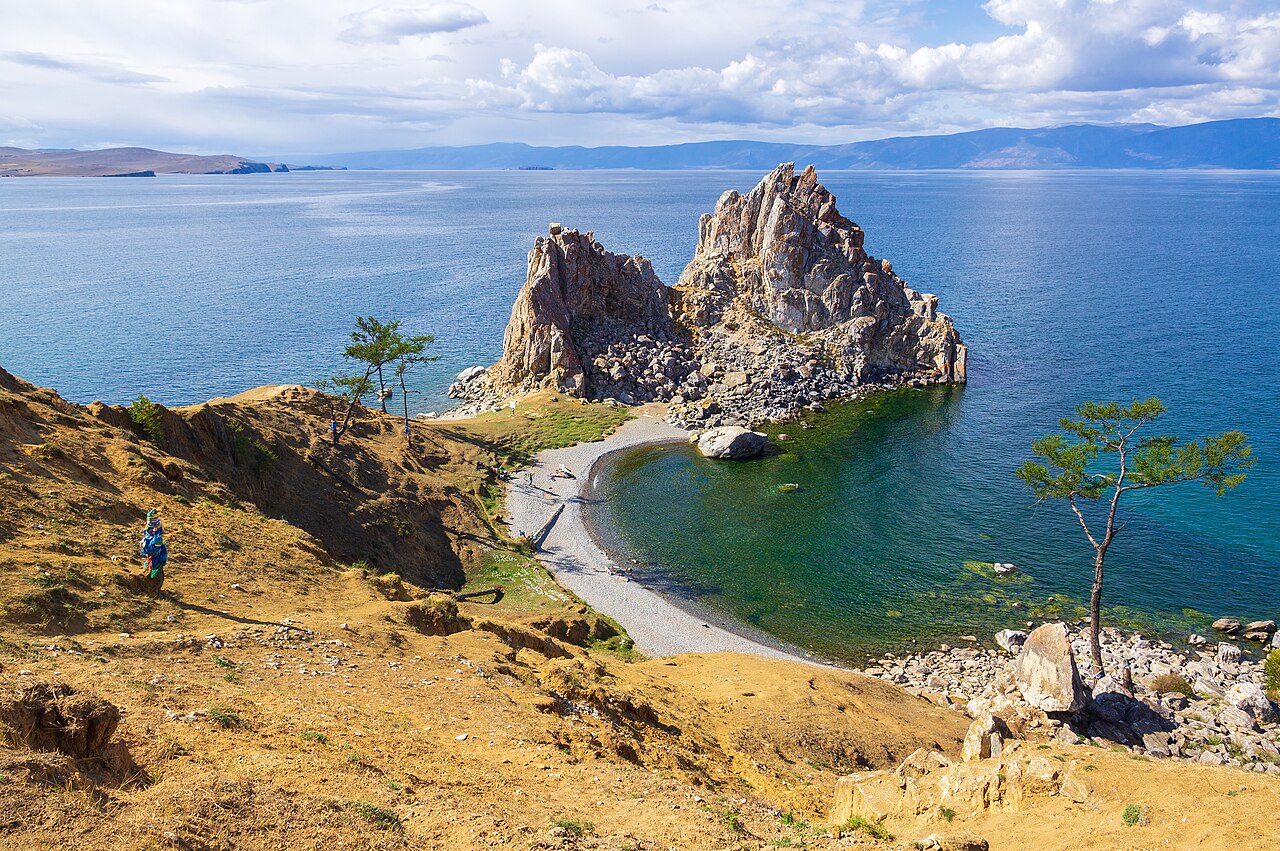
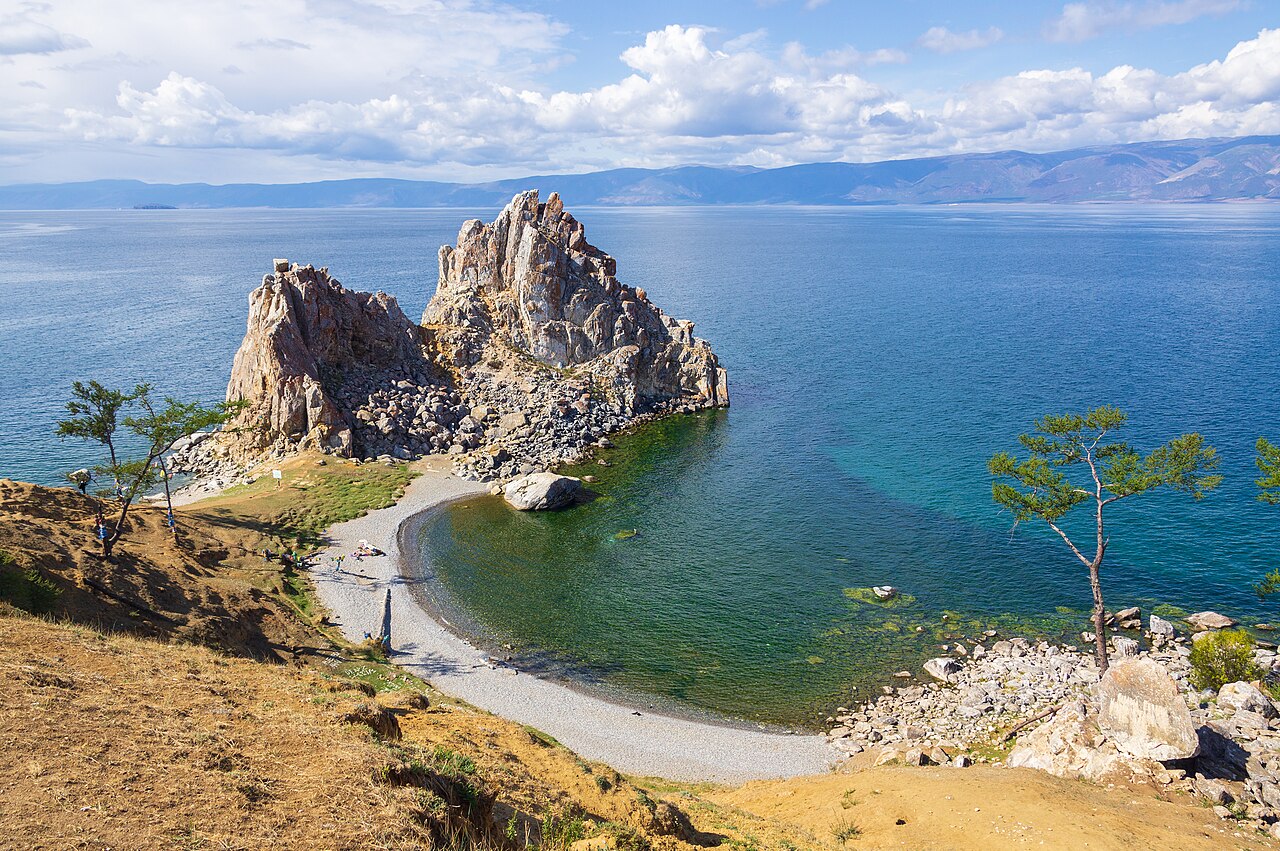
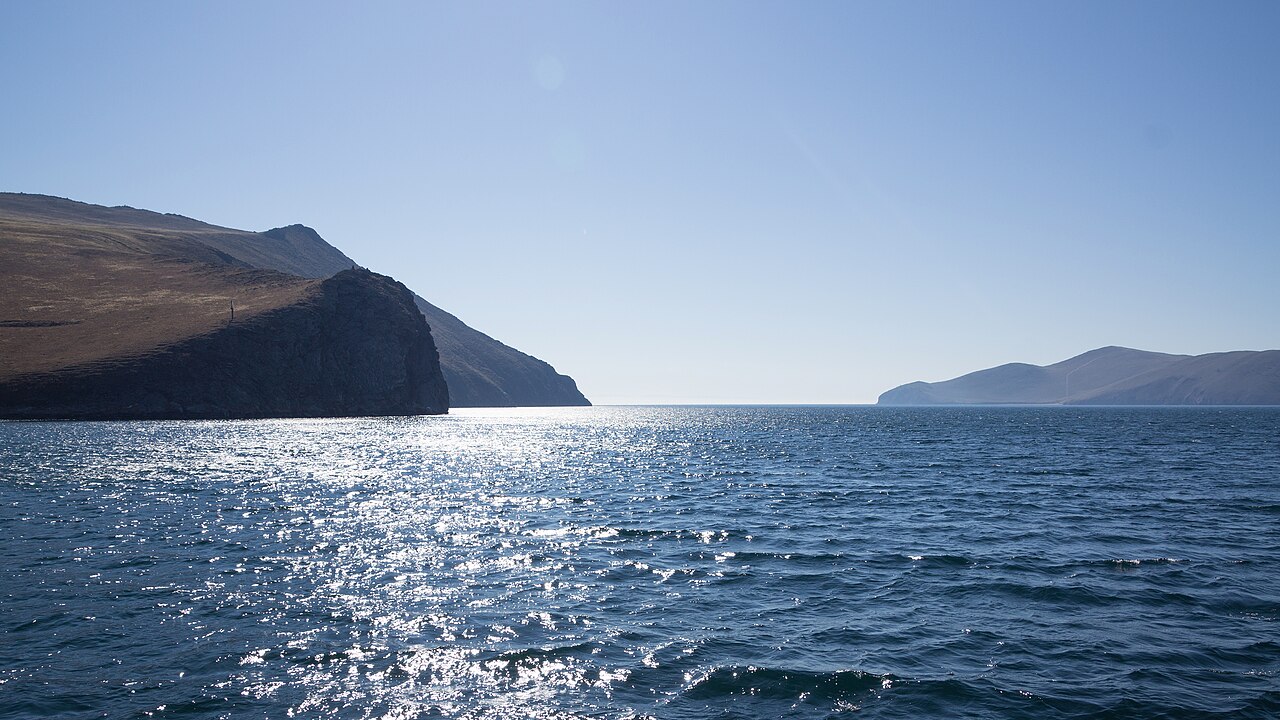
Lake Baikal is a rift lake in southern Siberia, Russia, between Irkutsk Oblast and the Republic of Buryatia. It is the deepest lake in the world and the largest freshwater lake by volume, containing 22–23% of the world's fresh surface water. At an estimated 25–30 million years old, it is also the oldest lake on Earth and was declared a UNESCO World Heritage Site in 1996.
- location
- Southern Siberia, Russia
- surface_area
- 31,722 km² (12,248 sq mi)
- maximum_depth
- 1,642 m (5,387 ft)
- volume
- 23,615.39 km³ (5,670 cu mi)
- age
- 25–30 million years
- outflow
- Angara River
- designation
- UNESCO World Heritage Site (1996)
Lore & Background
Lake Baikal lies in a rift valley created by the Baikal Rift Zone, where the Earth's crust pulls apart at about 4 mm per year. The lake is 636 km long and 79 km wide, with a surface 455.5 m above sea level and a bottom 1,186.5 m below sea level, underlain by up to 7 km of sediment. It is divided into three basins—North, Central, and South—separated by fault-controlled accommodation zones. The lake drains solely via the Angara River, a tributary of the Yenisey, and is fed by as many as 330 inflowing rivers, including the Selenga, Barguzin, and Upper Angara. It contains 27 islands, the largest being Olkhon at 72 km long. The region to the east is referred to as Transbaikalia, and the area around the lake is sometimes known as Baikalia. Buryat tribes raise goats, camels, cattle, sheep, and horses on the eastern side within Buryatia, where mean temperature varies from a winter minimum of −19 °C to a summer maximum of 14 °C.
Reader's Guide
Lake Baikal's significance lies in its unique combination of depth, age, and biodiversity. As the world's deepest lake at 1,642 m and the largest freshwater lake by volume, it holds 22–23% of the world's fresh surface water, more than all the North American Great Lakes combined. Its age of 25–30 million years makes it the most ancient lake, with sediments providing a detailed climatic record over 6.7 million years. The lake hosts thousands of species, many endemic, including the Baikal seal (nerpa). Its water is exceptionally clear and oxygen-rich, even at depth, and its surface freezes for 4–5 months annually. The surrounding mountains and taiga are protected as a national park. The lake's active rift zone produces regular earthquakes and hot springs, and its stormy weather can generate waves up to 4.5 m high. UNESCO recognized its global value as a World Heritage Site in 1996.
Did You Know?
- Lake Baikal contains 22–23% of the world's fresh surface water, more than all the North American Great Lakes combined.
- The lake is the only confined freshwater lake where direct and indirect evidence of gas hydrates exists.
- The Baikal seal (nerpa) is endemic to Lake Baikal.
- The lake's surface freezes for about 4–5 months, from early January to early May–June, with ice thickness averaging 0.5 to 1.4 m.
- The deepest continental rift on Earth lies beneath Lake Baikal, with the rift floor 8–11 km below the surface.
Gallery
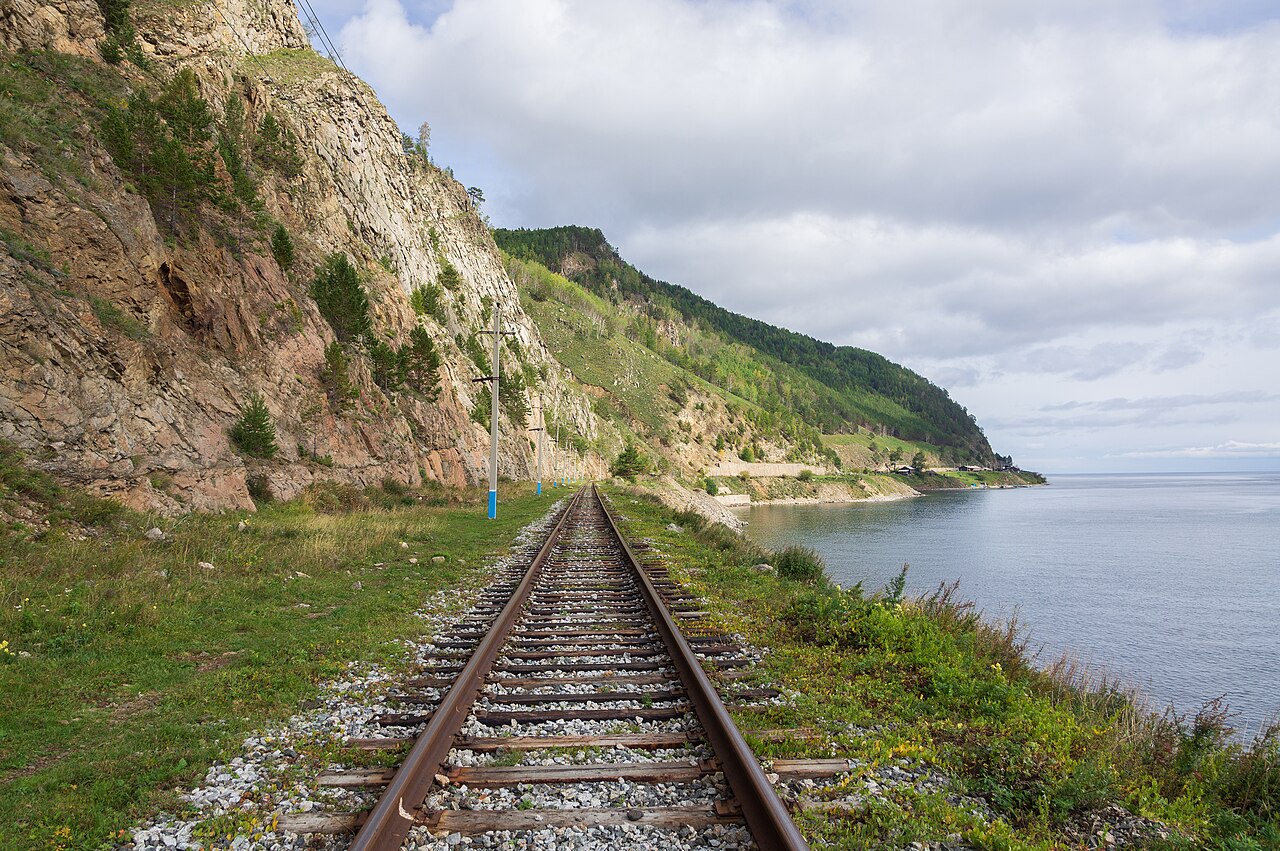
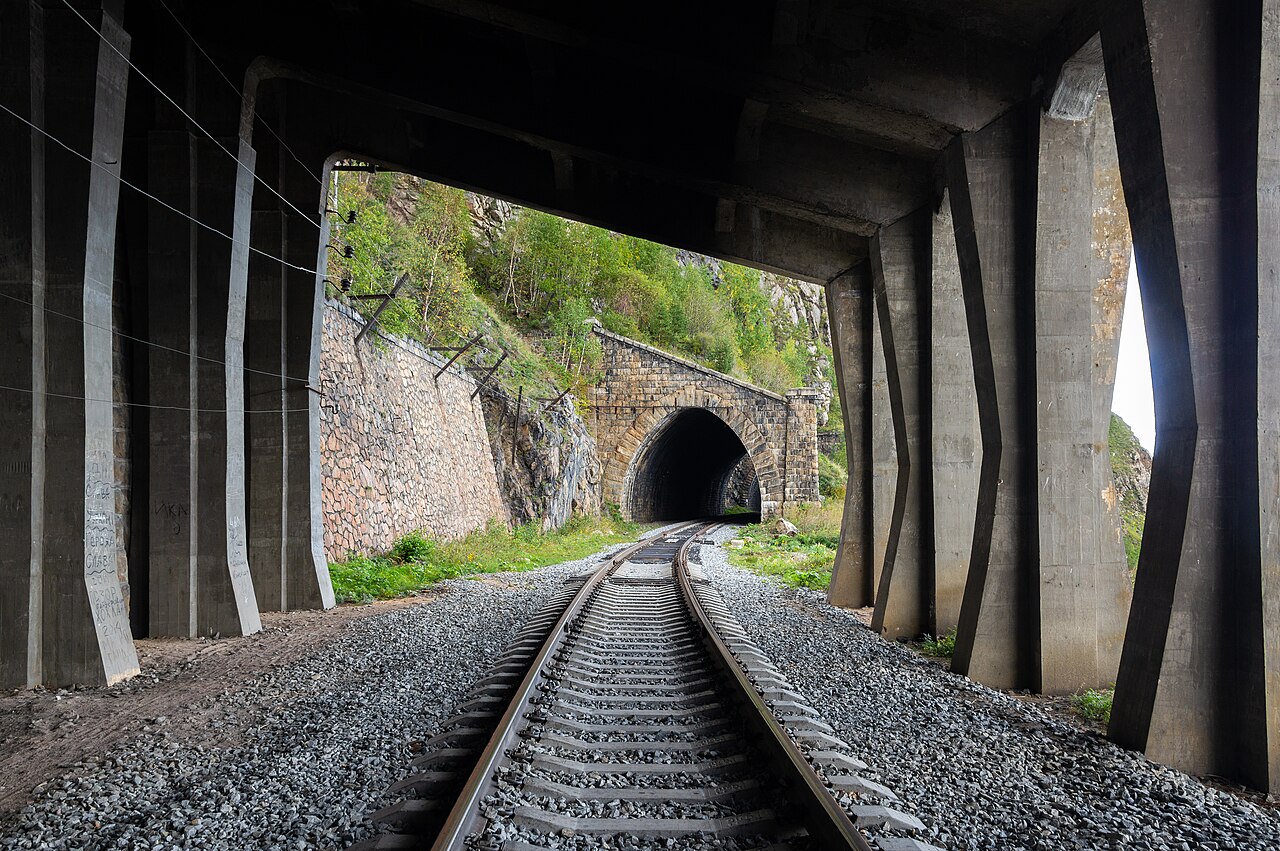
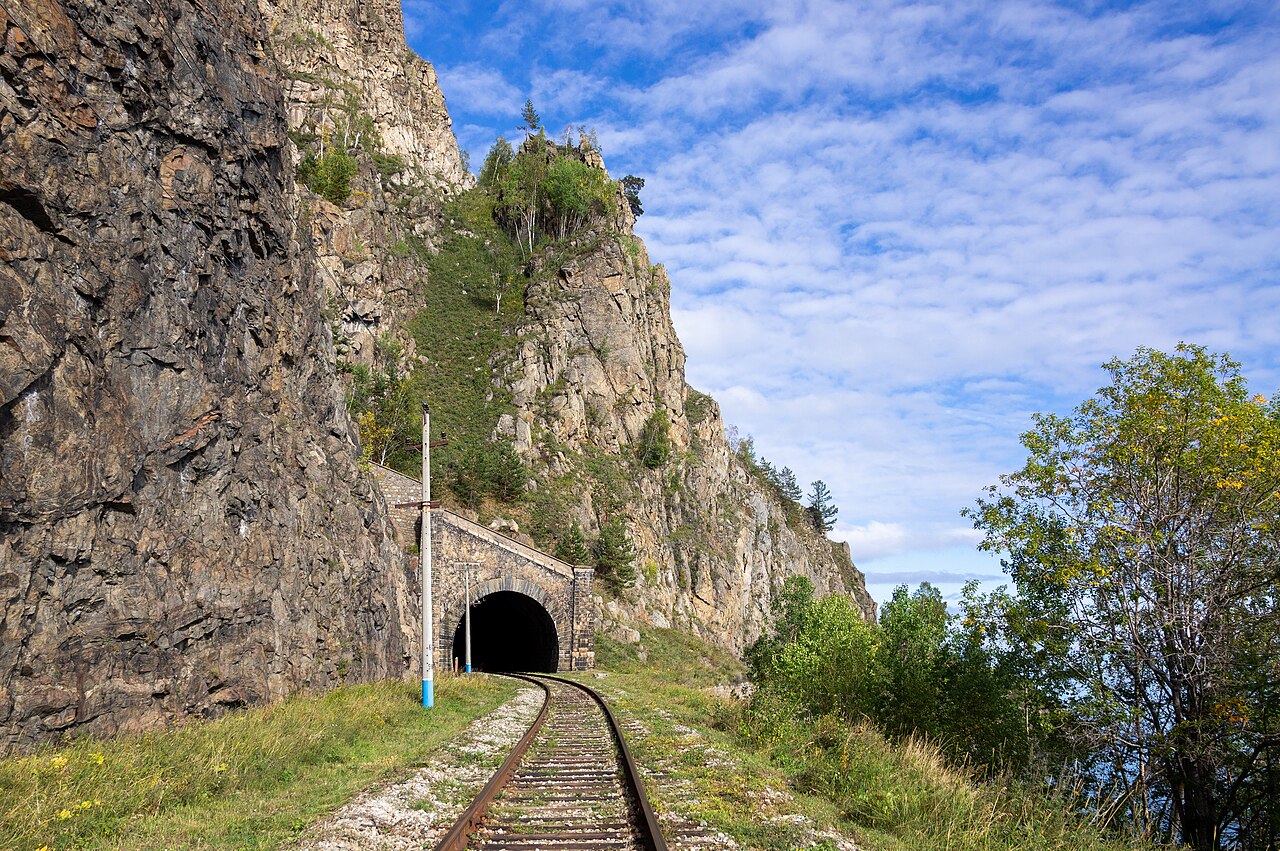
Frequently Asked Questions
Who is Lake Baikal?
Lake Baikal is a rift lake situated in southern Siberia, Russia, straddling the border between Irkutsk Oblast and the Republic of Buryatia. It holds the dual titles of the world's deepest lake and the largest freshwater body by volume.
What are Lake Baikal's key measurements?
The lake covers roughly 31,722 square kilometers of surface and plunges to a maximum depth of 1,642 meters. Its total water volume reaches approximately 23,615 cubic kilometers, far exceeding any other freshwater lake on Earth.
How old is Lake Baikal?
Scientists estimate the lake formed between 25 and 30 million years ago through tectonic rifting, making it the oldest known lake on the planet. Its great age is a major part of what sets it apart from younger water bodies.
What river drains Lake Baikal?
The Angara River serves as the lake's sole outflow, channeling its fresh water away from the basin. This single drainage channel is a defining hydrological feature of the lake.
Why is Lake Baikal important?
The lake stores roughly 22 to 23 percent of all accessible fresh surface water on Earth, making it an irreplaceable global resource. Its ecological and geological significance earned it UNESCO World Heritage status in 1996.
More in Rivers And Lakes 1-17
Spotted an error? Know more?
This is a living reference — every entry is fact-audited, and reader corrections feed straight into our audit queue. Suggest an edit · See this site's audit record